


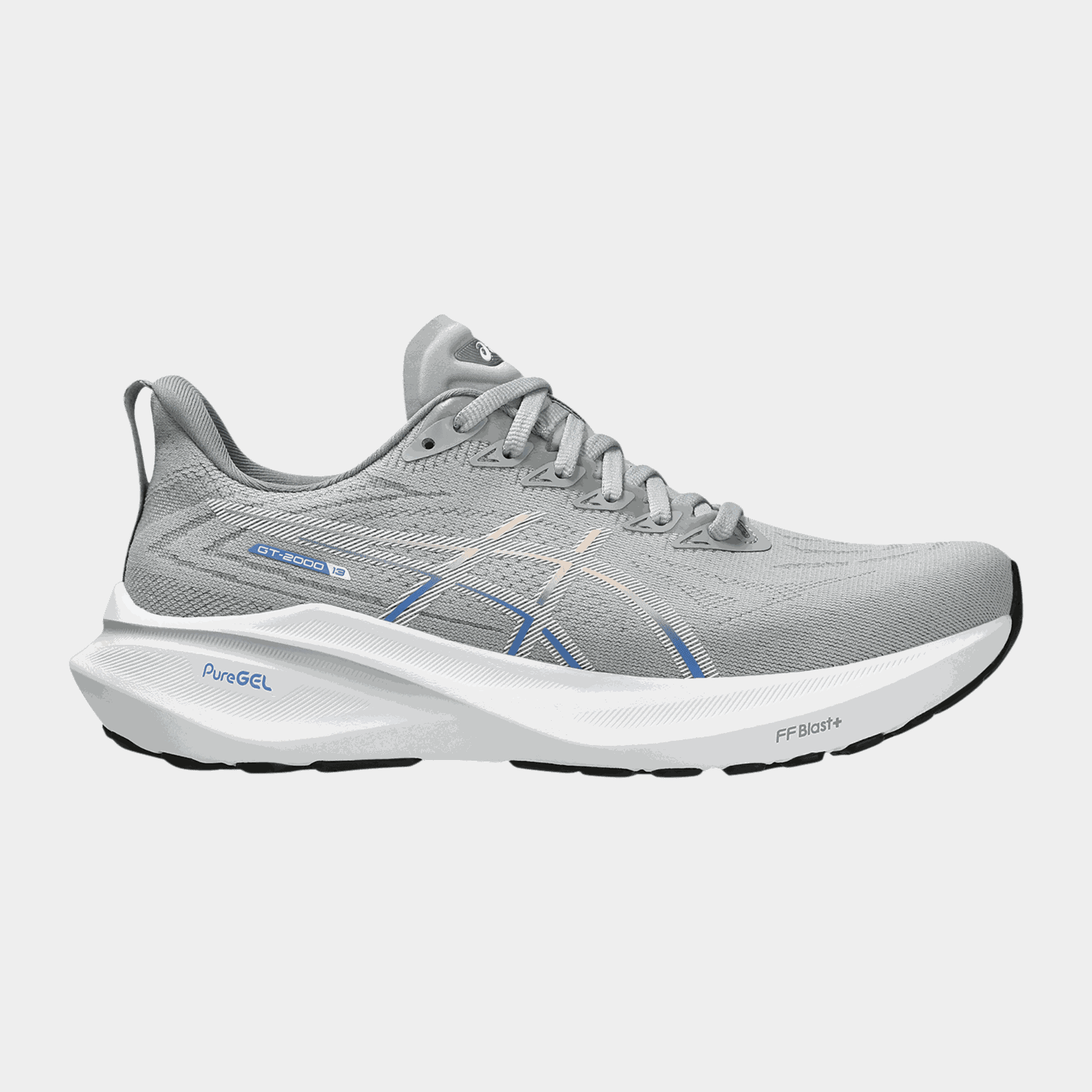
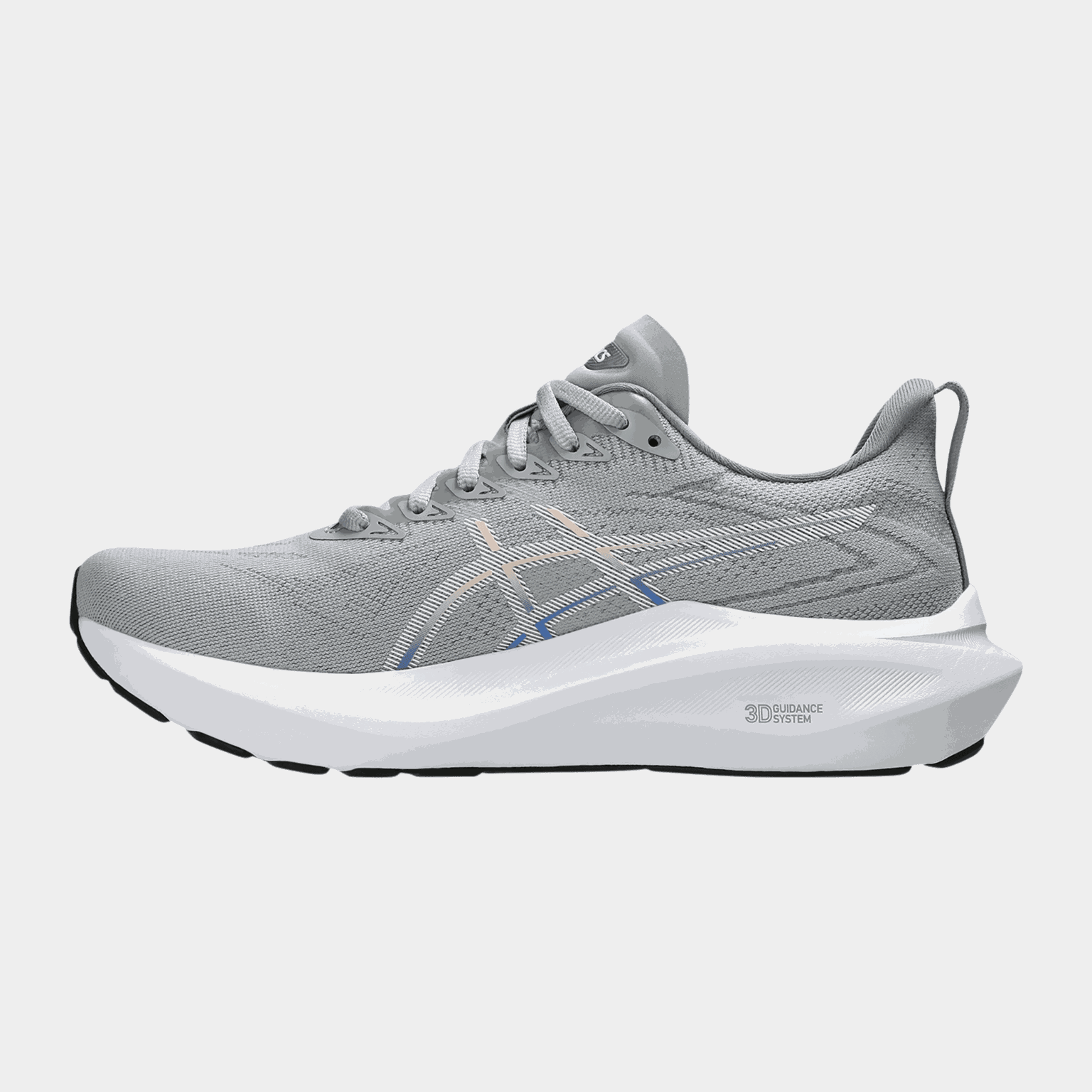
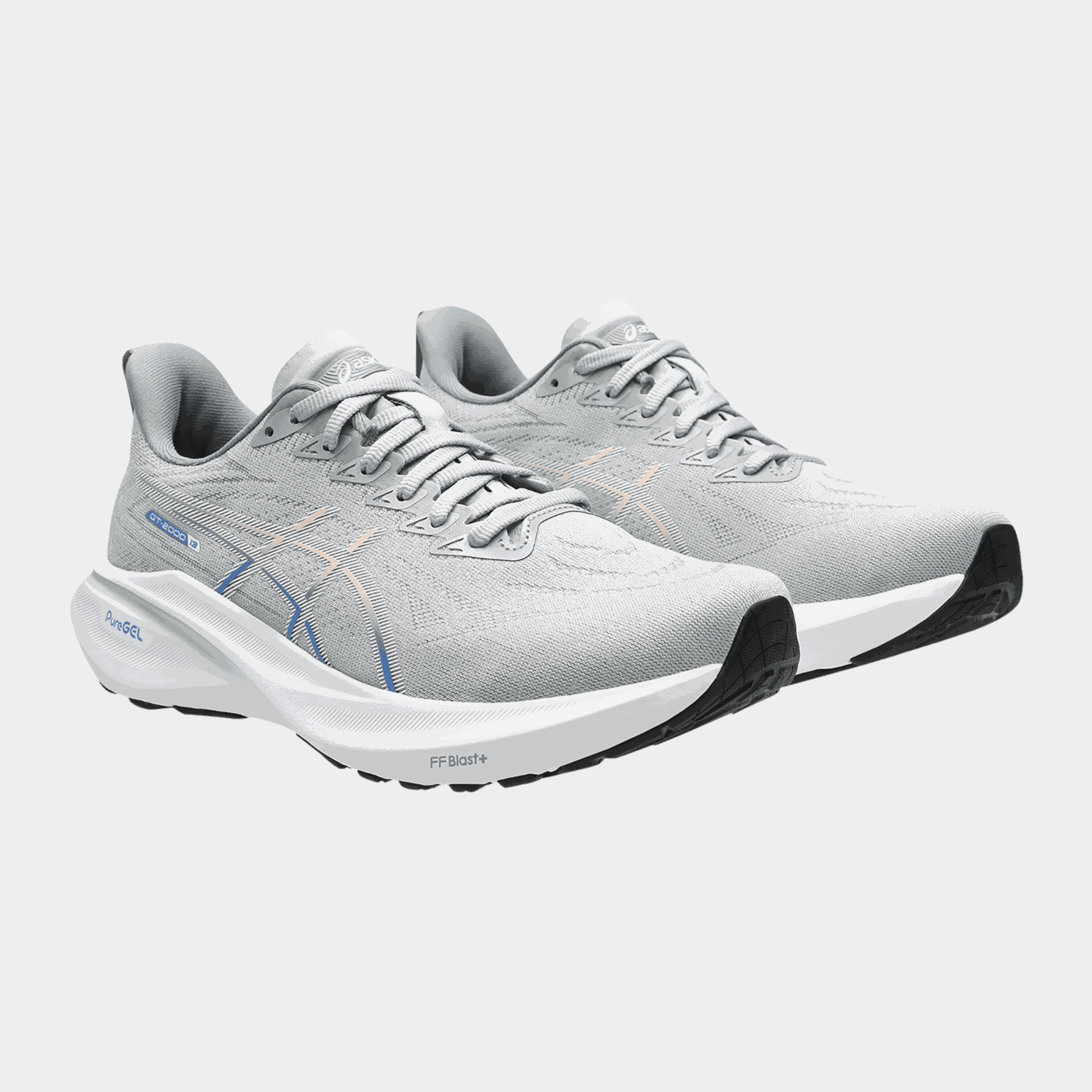
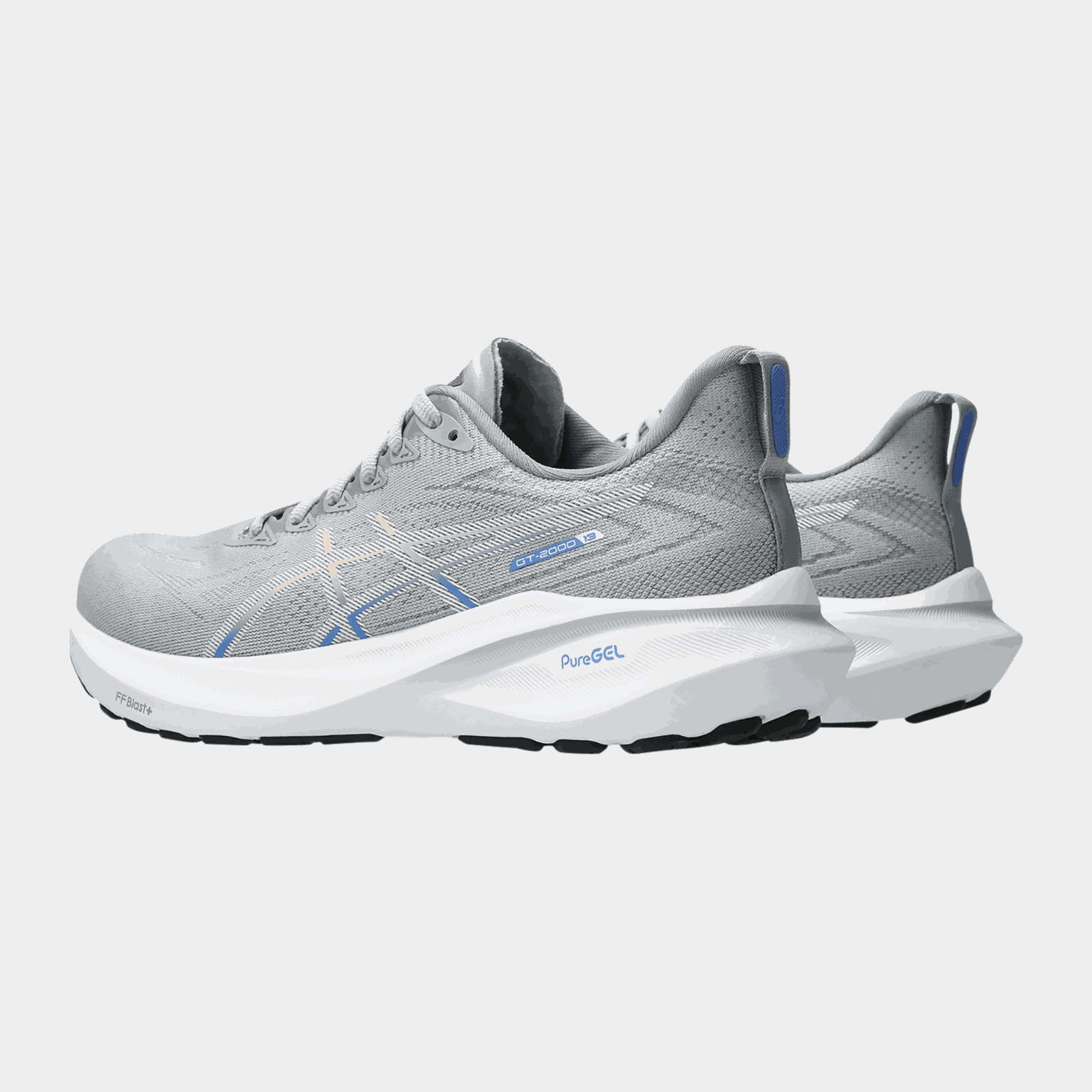

Comfortable running shoes with an airy upper for optimal ventilation. Comfortable fit and good stability. Reflective details. Provides good grip.
ASICS GT-2000 13 are comfortable running shoes with an airy jacquard mesh upper that provides excellent ventilation and ideal comfort while running.
These running shoes are made from at least 50% recycled material to reduce waste and carbon emissions.
The 3D™ control system promotes good stability and ensures a smoother and more balanced walk.
Thanks to the combination of FF-BLAST™ PLUS grip and PureGEL™ technology, these running shoes provide a smoother and more dynamic impact with each step.
The flexible AHARPLUS™ material and AHAR™ LOW HARDNESS sole provide excellent durability and good grip.
Reflective details improve visibility on the court. Dark.
With an OrthoLite™ X-30 sockliner, these running shoes offer superior comfort. Comfortable. You'll feel comfortable the moment you put them on.
The insole is made using a solution dyeing process that reduces water consumption by approximately 33% and carbon emissions by approximately 45% compared to traditional dyeing methods.
ASICS GT-2000 13 are comfortable running shoes with an airy jacquard mesh upper that provides excellent ventilation and ideal comfort while running.
These running shoes are made from at least 50% recycled material to reduce waste and carbon emissions.
The 3D™ control system promotes good stability and ensures a smoother and more balanced walk.
Thanks to the combination of FF-BLAST™ PLUS grip and PureGEL™ technology, these running shoes provide a smoother and more dynamic impact with each step.
The flexible AHARPLUS™ material and AHAR™ LOW HARDNESS sole provide excellent durability and good grip.
Reflective details improve visibility on the court. Dark.
With an OrthoLite™ X-30 sockliner, these running shoes offer superior comfort. Comfortable. You'll feel comfortable the moment you put them on.
The insole is made using a solution dyeing process that reduces water consumption by approximately 33% and carbon emissions by approximately 45% compared to traditional dyeing methods.
Comment